At FloorSure, we understand the importance of a healthy and allergen-free home environment, especially for those dealing with allergies. Often overlooked, the flooring in our homes can harbor allergens, impacting indoor...
At FloorSure, we understand the importance of a healthy and allergen-free home environment, especially for those dealing with allergies. Often overlooked, the flooring in our homes can harbor allergens, impacting indoor air quality. In this article, we delve into the significance of hypoallergenic flooring, exploring its benefits, considerations for choosing the right option, and maintenance tips. Elevate your living space with FloorSure, located at 9030 Leslie St, Richmond Hill, reachable at +1 (437) 988-0524.
Understanding Allergies and Indoor Air Quality
Maintaining a healthy and allergy-free home requires addressing indoor air quality. Allergens like dust mites, pet dander, and pollen can trigger allergies or asthma. Recognizing the link between indoor air quality and allergies is crucial in preventing allergens from circulating within your home.
Common Allergens in Flooring
Flooring materials often host common allergens such as dust mites, pollen, and mold. Pet hair and dander, found in carpets and rugs, can exacerbate respiratory problems. To mitigate exposure, choosing hypoallergenic flooring becomes essential, designed to minimize allergen accumulation and ensure easy cleaning.
What Makes Flooring Hypoallergenic?
Hypoallergenic flooring from FloorSure boasts specific characteristics:
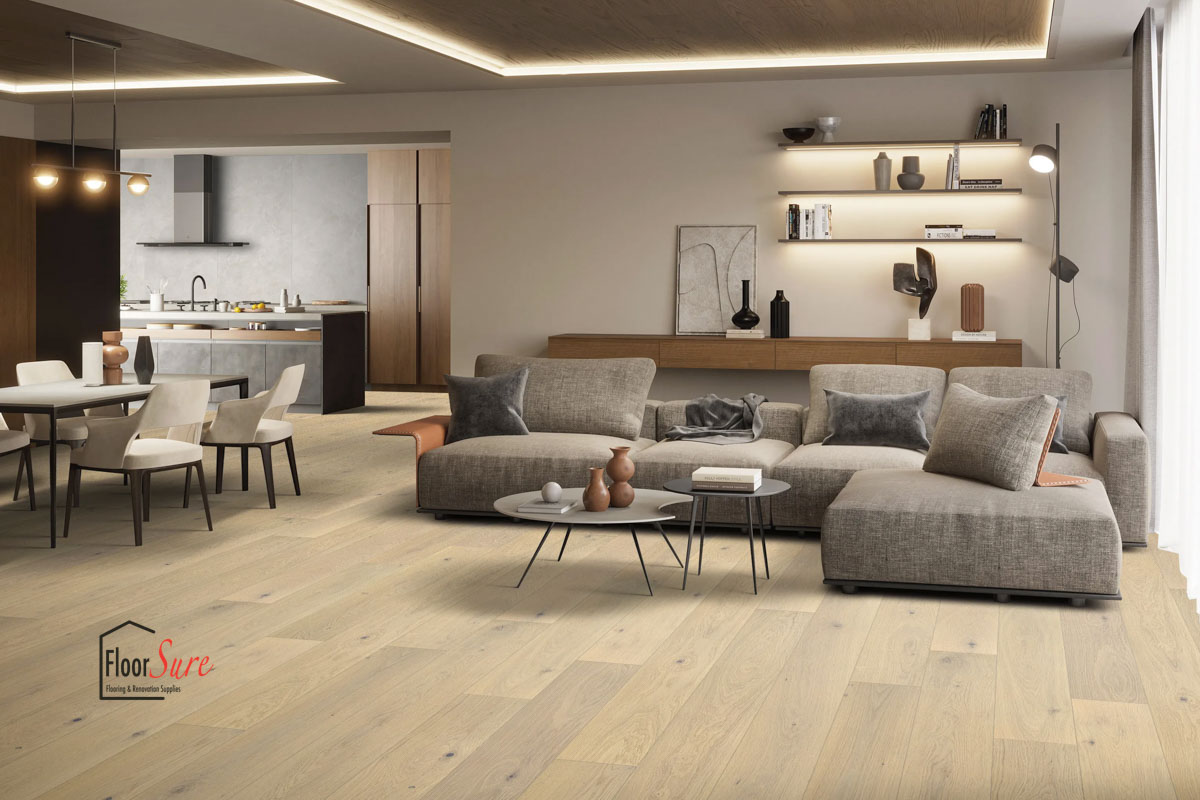
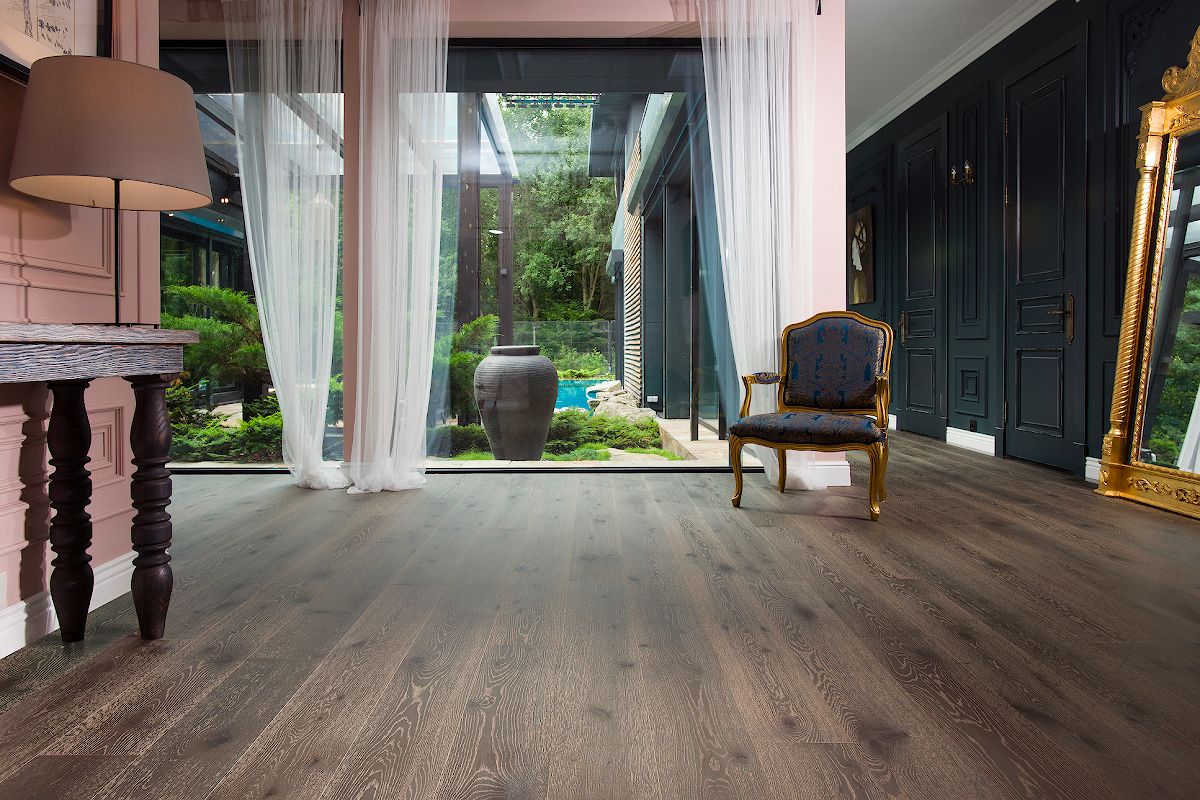
- Hardwood: Smooth, allergen-resistant surface, easy to clean.
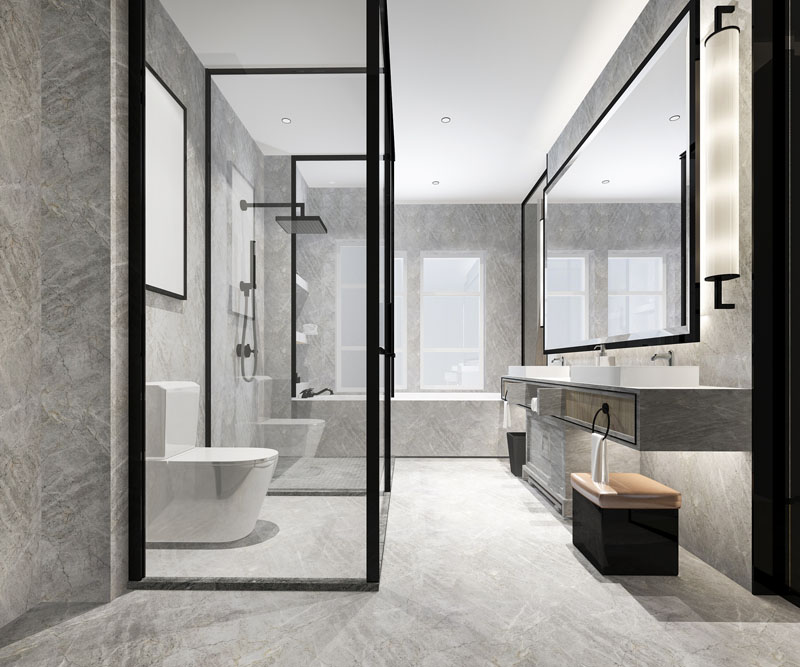
- Tile or Laminate: Non-porous, preventing bacterial and mold growth.
- Vinyl: Moisture-resistant, easy to clean.
- Carpet: Hypoallergenic fibers resist dust and allergens, with antimicrobial treatments to prevent bacterial and mold growth. Sealed finishes and proper installation contribute to overall hypoallergenic features.
Benefits of Hypoallergenic Flooring
Investing in FloorSure's hypoallergenic flooring provides numerous advantages:
- Improved indoor air quality: Reduces dust, mold, and pet dander presence.
- Allergy-friendly environment: Creates a safe and healthy living space.
- Easy maintenance: Certain types, like vinyl and tile, are easy to clean, ensuring fresh floors with minimal effort.
- Long-lasting durability: Built to withstand wear and tear, offering a sound investment for home longevity.
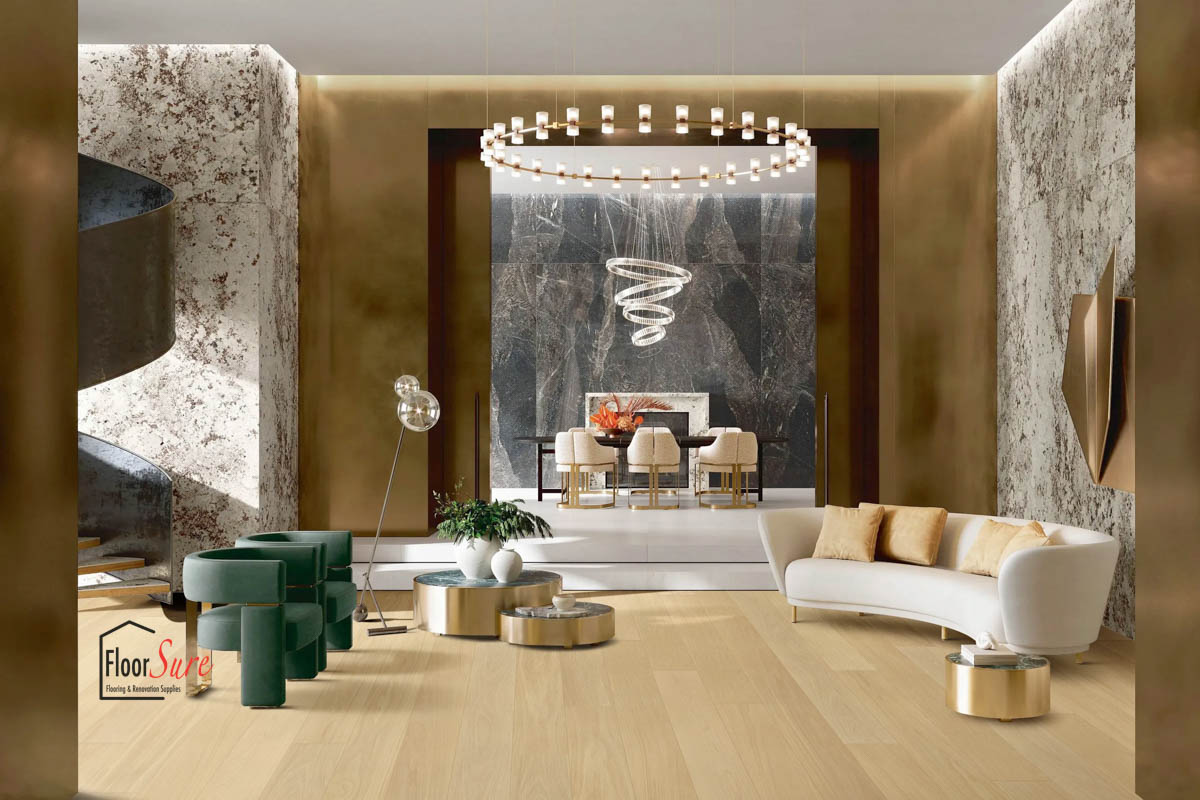
- Visually appealing design: FloorSure's hypoallergenic flooring comes in various styles, enhancing your home's aesthetics while supporting health and well-being.
Considerations for Choosing Hypoallergenic Flooring
When selecting hypoallergenic flooring, consider factors like durability, professional installation, aesthetics, cleanability, and cost. FloorSure offers a range of options to suit your needs, ensuring a cost-effective and health-conscious choice.
Maintenance and Care Tips for Hypoallergenic Flooring
Keeping your hypoallergenic flooring in top condition is essential. Follow these cleaning and prevention tips:
- Cleaning Tips: Regularly sweep or vacuum, use a damp mop with mild soap, avoid harsh chemicals, wipe spills immediately, and use mats or rugs at entryways.
- Prevention Tips: Use doormats to prevent outdoor allergen spread, remove shoes to avoid tracking in dirt, trim pets' nails, wash bedding and toys frequently, and use a dehumidifier to reduce moisture levels.
Conclusion
FloorSure invites you to embrace hypoallergenic flooring for a healthier, safer, and more comfortable home. Our location at 9030 Leslie St, Richmond Hill, is ready to assist you. Contact us at +1 (437) 988-0524 to explore a variety of hypoallergenic flooring options and take the first step towards a healthier living space.