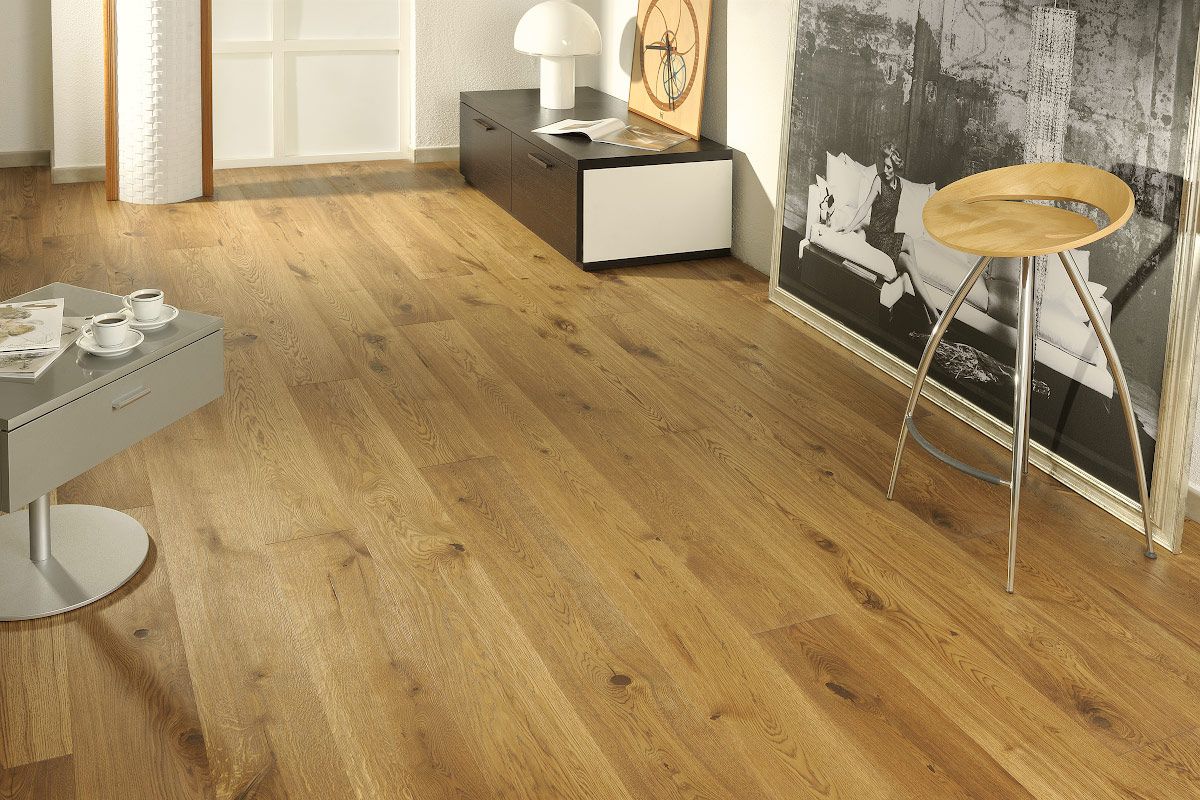
In the quest for the perfect flooring for your Toronto home, the options may seem overwhelming. Engineered, solid, and laminate floors each have their own set of pros and cons, and understanding them is crucial for...
In the quest for the perfect flooring for your Toronto home, the options may seem overwhelming. Engineered, solid, and laminate floors each have their own set of pros and cons, and understanding them is crucial for making an informed decision that aligns with your lifestyle, preferences, and environmental considerations. At FloorSure, located in the vibrant city of Toronto, we understand the importance of a well-informed flooring decision. Let's explore the distinctive features of each type to help you make the right choice for your space.
Engineered Hardwood Flooring: A Modern Marvel
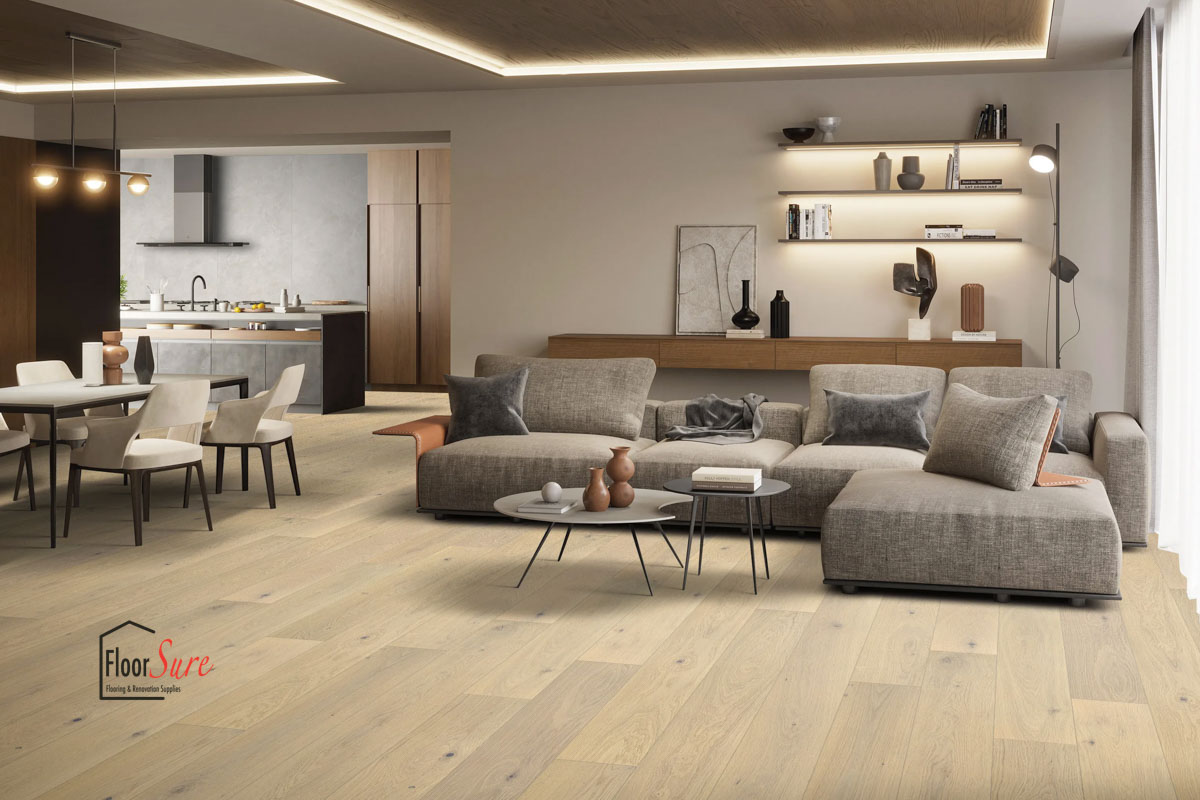
Engineered hardwood flooring stands out as the most popular choice among hard surface flooring options. Two commonly used constructions include plywood-based and layered constructions, where the quality of materials plays a pivotal role in determining the floor's overall quality. Here's a closer look at the pros and cons:
Pros:
- Temperature and Moisture Resilience: Engineered hardwood can withstand a wider range of temperature and moisture fluctuations compared to solid hardwood floors, making it an ideal choice for Toronto's diverse climate.
- Design Versatility: Engineered flooring allows for wider plank sizes and diverse pattern options, such as mosaics, chevrons, herringbones, tealeaf, and coffee bean patterns, providing you with ample design choices to complement your Toronto home's aesthetic.
- Stability: The engineered construction is more stable and less prone to expansion/contraction than solid wood, ensuring a durable and long-lasting floor.
- Environmental Friendliness: Engineered hardwood floors are environmentally friendly as they utilize less valuable top-layer wood, allowing for the use of less attractive wood species in the middle and bottom layers.
Cons:
- Quality Concerns: Some manufacturers may use cheap and water-penetrable plywood, leading to separation of ply layers and squeaky floors.
- Formaldehyde Emissions: Low-end producers may use glues containing formaldehyde, emitting high levels of VOCs known to cause cancer.
- Balanced Construction: To prevent visible cupping and bowing, a good engineered construction must have a balanced thickness in the top and bottom layers.
Solid Hardwood Flooring: A Timeless Classic
Solid hardwood flooring exudes natural beauty, but it comes with its own set of considerations that might impact your decision, especially in Toronto's dynamic climate.
Pros:
- Refinishing Capability: Solid hardwood can be sanded and refinished up to seven times, ensuring a long lifespan and the ability to refresh the floor's appearance.
- Natural Product: Solid hardwood is the most natural flooring option, untouched by manufacturing manipulations, offering an authentic and timeless look.
Cons:
- Environmental Impact: The amount of hardwood lumber required for solid hardwood flooring is significantly larger compared to engineered floors, raising environmental concerns.
- Wastage: The production of solid hardwood floors results in higher wastage of lumber compared to engineered floors, contributing to lumber shortages.
- Width Limitation: Solid wood has a maximum recommended plank width of 5 inches, beyond which gaps of 5mm or wider may appear during dry months.
- Moisture and Temperature Reactivity: Solid wood reacts to moisture and temperature, leading to visible gaps during dry months and bowing during humid months in Toronto.
Laminate Flooring: Affordability with a Caveat
Laminate flooring is a cost-effective alternative that mimics the look of real wood but comes with its own set of challenges.
Pros:
- Affordability: Laminate flooring is the most budget-friendly hard surface flooring option.
- Design Variety: With various prints available, you can choose a laminate floor that suits your style preferences.
Cons:
- Moisture Sensitivity: Laminate floors are highly sensitive to moisture and sudden temperature changes, resulting in shrinking, warping, and splitting.
- Formaldehyde Emissions: The strong glues used in the sub-layer often contain formaldehyde, emitting VOCs throughout the flooring's lifetime, potentially posing health risks.
Navigating the Toronto Flooring Landscape
The hardwood flooring industry, including Toronto, has witnessed a significant shift towards environmentally friendly options, particularly engineered hardwood, over the last two decades. Engineered floors have emerged as a frontrunner, largely displacing solid floors for valid reasons discussed above. However, regardless of the flooring type you choose, it's essential to consider the brand's reputation, commitment to the environment, and user health.
At FloorSure in Toronto, we pride ourselves on providing quality flooring solutions that align with the diverse needs of Toronto residents. As you embark on your flooring journey, consider the unique characteristics of engineered, solid, and laminate flooring, and make an informed decision that not only enhances the beauty of your Toronto home but also contributes to a sustainable and healthy living environment. Choose FloorSure for a flooring experience that combines quality, aesthetics, and environmental consciousness.