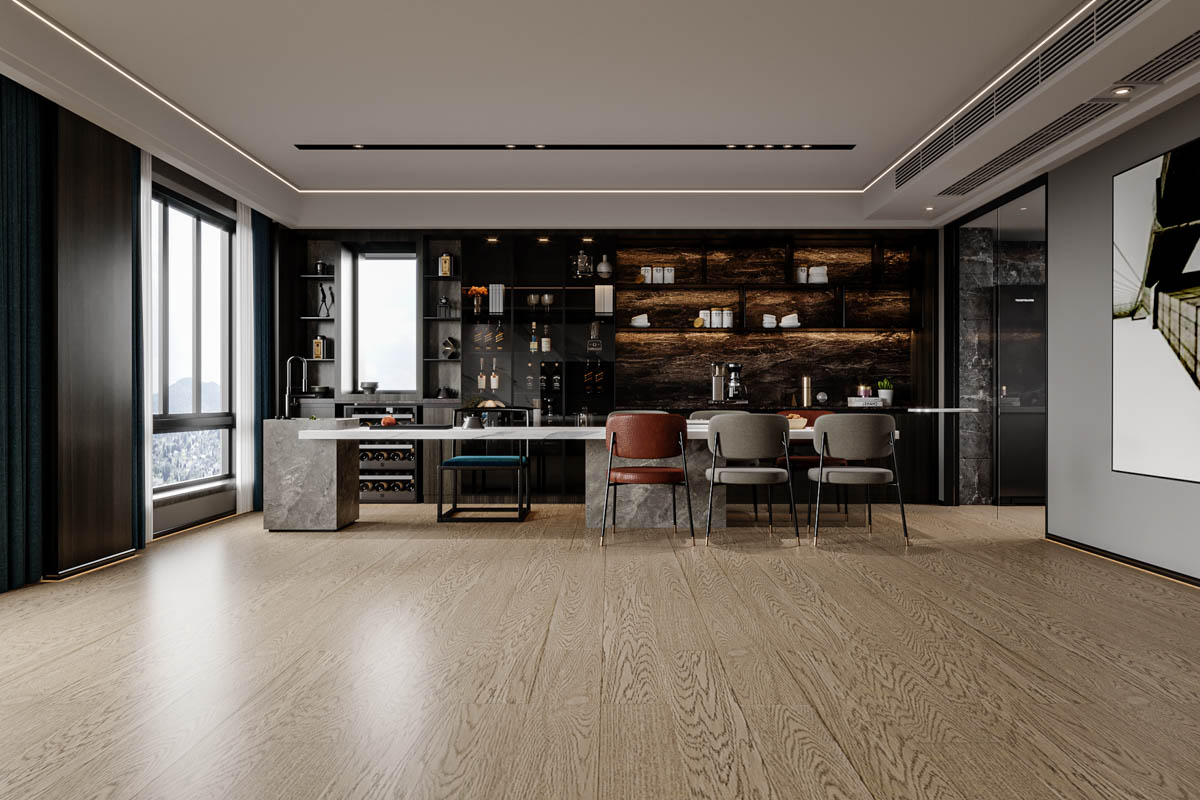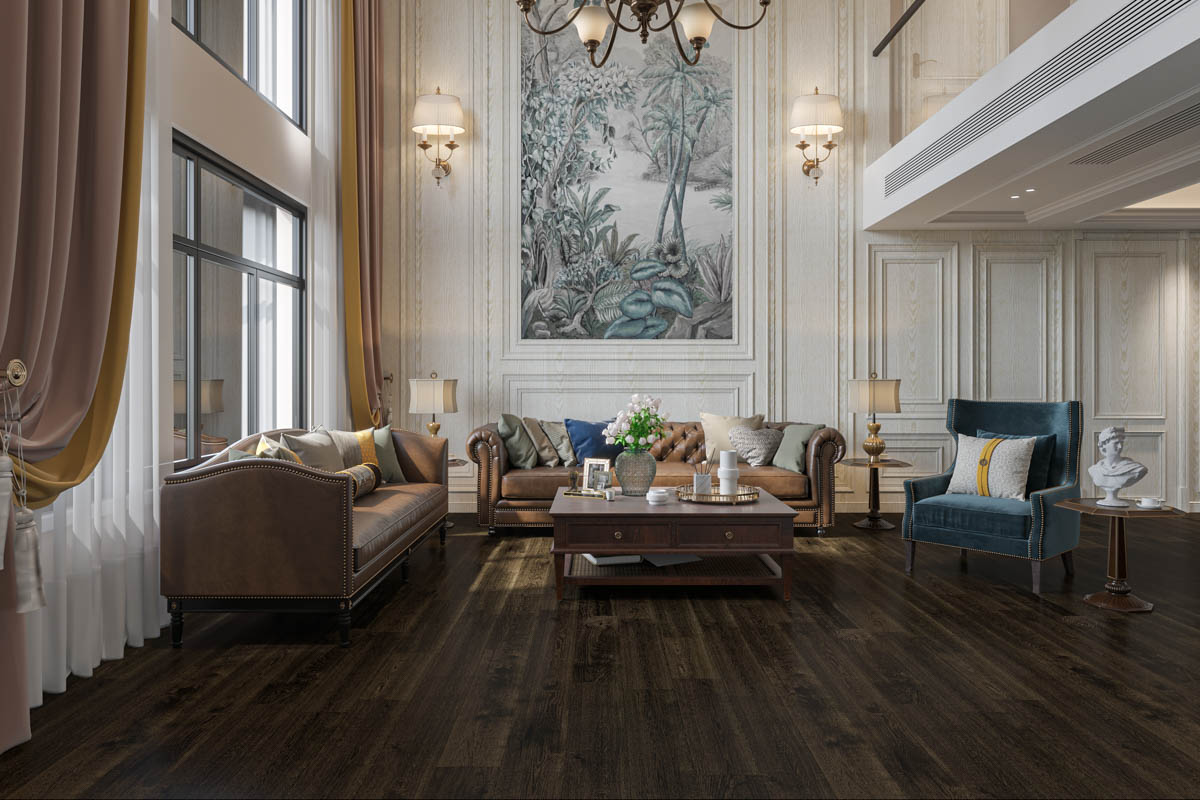

Hardwood floor refinishing brings a tired floor back to life. Here's when to refinish vs. recoat vs. replace, how the process works, and what affects the cost in Toronto.
A Toronto homeowner's guide to bringing a worn hardwood floor back to life
A solid hardwood floor is one of the few surfaces in your home you can make look brand new without replacing it. Years of scratches, dullness, and worn-through finish can be sanded away and sealed fresh — often for a fraction of the cost of new flooring. This guide explains when hardwood floor refinishing makes sense, how it differs from a simple recoat or a full replacement, what the process involves, and what affects the cost here in Toronto.
Signs Your Hardwood Floor Needs Refinishing
Not every tired-looking floor needs a full refinish. Look for these signs that it's time:
- The finish is worn through in high-traffic paths, doorways, or in front of the kitchen sink — the wood there looks greyer or rougher than elsewhere.
- Deep scratches and gouges reach into the wood rather than just the surface coating.
- Water stains, dark spots, or greying that cleaning won't remove.
- An overall dull, patchy look that no amount of mopping brings back.
- You want a new colour — refinishing is your chance to change the stain, from a dated orange-oak to a modern neutral or a richer tone.
If your floor is only lightly dull or lightly scuffed — with the finish still intact — you may not need a full refinish at all. That's where a recoat comes in.
Refinish vs. Recoat vs. Replace
These three options solve different problems, and choosing the right one saves both money and wood:
- Recoat (screen and re-coat): The existing finish is lightly abraded and a fresh coat is applied on top — no deep sanding, no wood removed. It's the fastest, most affordable option and ideal when the finish is dull or lightly scuffed but not worn through. It can't fix deep scratches, stains, or change the colour.
- Refinish (full sand): The floor is sanded back to bare wood, then stained (if desired) and sealed. This removes scratches, stains, and greying, and lets you change the colour completely. It's the right call when the finish is worn through or the floor looks tired all over.
- Replace: If boards are cracked, rotted, water-damaged, or the floor has already been sanded to the end of its life, replacement is the sensible route. Solid hardwood can typically be refinished many times, so replacement is usually a last resort.
Note that engineered hardwood follows different rules — whether it can be sanded depends on its wear-layer thickness. Our guide to refinishing engineered hardwood covers that in detail. The rest of this article focuses on solid hardwood.
The Hardwood Refinishing Process, Step by Step
A professional refinish follows a proven sequence, and each step matters for the final result:
- Prep and inspection. The room is cleared, the floor checked for protruding nails, loose boards, and damage, and any repairs are made first.
- Sanding. The floor is sanded in progressively finer grits with a drum or belt sander for the field and an edger for the perimeter, removing the old finish and a thin layer of wood to reveal fresh, bare timber.
- Buffing and cleanup. The floor is buffed smooth and every trace of dust is removed — clean bare wood is essential for an even finish.
- Staining (optional). If you're changing the colour, stain is applied and left to dry. This is the step where a dated floor becomes a modern one.
- Sealing. Two or more coats of durable finish — oil- or water-based — are applied, with light buffing between coats for a smooth, hard-wearing surface.
The result is a floor that looks and performs like new, using the wood you already own.
Dust, Drying, and Timing in Toronto's Climate
Two practical realities shape a Toronto refinishing project. First, dust — modern sanding equipment with dust containment keeps mess far lower than older methods, but some fine dust is unavoidable, so plan to protect or remove nearby belongings.
Second, drying and humidity. Finishes cure best in stable, climate-controlled conditions, and our humidity swings between seasons affect both drying time and how the wood sits. A good refinisher works when the home is at a stable indoor humidity, so the floor isn't mid-swing during the job. That same care in maintaining conditions afterward protects the new finish — our guide to restoring damaged hardwood flooring covers repairs when wear goes beyond the surface.
How Long It Takes and What Affects the Cost
Most refinishing projects run a few days: sanding and the first coats over the first day or two, then curing time before you can walk on the floor and, longer still, before moving heavy furniture back. Water-based finishes cure faster than oil-based; your installer will give you a timeline for your specific product.
Several factors affect what a refinish costs:
- Floor area — larger floors cost more in total but often less per square foot.
- Whether you're staining — adding a colour change is an extra step.
- Repairs needed — replacing damaged boards or fixing squeaks adds labour.
- Number of finish coats and the product chosen.
- Site conditions — stairs, closets, and tight spaces take more hand-work.
Because every floor is different, we don't quote a flat rate online — prices vary with your floor's size, condition, and the scope of work. For an accurate figure, the best step is a free on-site assessment where we can see the floor and discuss your goals; call or WhatsApp us at +1 (437) 988-0524 for a quote. If your stairs are part of the project, our guide to refinishing vs. replacing hardwood stairs is a useful companion read.
Frequently Asked Questions
How many times can a hardwood floor be refinished? Solid hardwood can usually be sanded and refinished several times over its life — often many times — depending on the board thickness and how much wood is removed each time. It's one of the reasons solid hardwood is such a long-term investment.
Is it worth refinishing hardwood floors or should I replace them? If the boards are structurally sound, refinishing is almost always more cost-effective than replacing and preserves the character of your existing floor. Replacement makes sense only when boards are cracked, rotted, water-damaged, or already sanded to the end of their life.
Can I change the colour of my floor when refinishing? Yes. A full sand-and-refinish takes the floor back to bare wood, so you can apply a new stain — from a dated tone to a modern neutral or a richer colour. A recoat cannot change the colour, since no wood is exposed.
How long before I can walk on refinished floors? It depends on the finish. You can usually walk on it (in socks) within a day or so, but wait longer before replacing rugs and heavy furniture so the finish fully cures. Your installer will give you exact timing.
Should I refinish hardwood floors myself or hire a professional? Sanding is unforgiving — uneven pressure leaves dips and swirl marks that show through the finish. For a large area, stairs, or a colour change, a professional gets an even, durable result and protects the value of your floor.
How to Prepare Your Home for Refinishing Day
A little preparation helps the job go smoothly and protects the rest of your home:
- Clear the rooms — remove furniture and rugs, take down curtains near the floor, and store away breakables.
- Plan where you'll live — finished rooms are off-limits while the coats cure, so arrange access to a bathroom and daily essentials.
- Protect adjacent spaces — even with dust containment, sealing off doorways to other rooms keeps fine dust out.
- Secure pets — the equipment is loud and the fresh finish needs to cure undisturbed.
- Confirm the timeline — know your walk-on time and when heavy furniture can return, so you can plan the days around it.
Your installer will walk you through the specifics for your home, but arriving to a cleared, prepped space means the crew can start straight away.
Ready to Bring Your Hardwood Floor Back to Life?
Refinishing is the smartest way to make a worn solid hardwood floor look brand new — often for far less than replacing it — and it's a chance to update the colour at the same time. The key is choosing the right approach for your floor's condition and getting the sanding and finishing done properly.
FloorSure is a fully insured, WSIB-covered flooring specialist serving Toronto and the GTA, and every project is backed by our 1-year workmanship warranty. We offer a full range of refinishing, recoating, and replacement options, and the right approach — and the cost — vary with your floor's size, condition, and scope, so we'll recommend the solution that protects your investment. Explore our hardwood flooring services, or call or message us on WhatsApp at +1 (437) 988-0524 to book a free on-site assessment.
FloorSure is a fully insured, WSIB-covered flooring & stair installer serving Toronto & the GTA, with a 1-year workmanship warranty on every installation. Call or WhatsApp +1 (437) 988-0524 for a free on-site quote.