
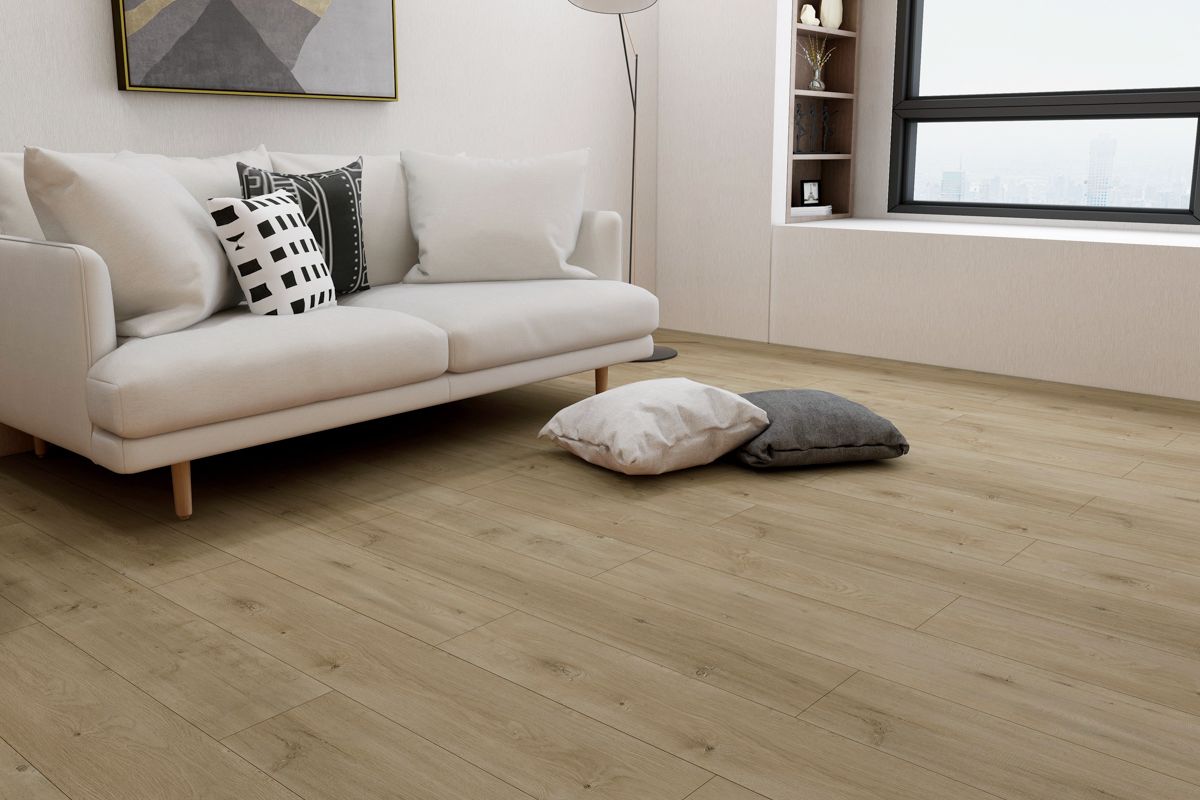
How to repair scratches on hardwood floors — from light surface marks to deep gouges. Identify the depth, fix it the right way, and prevent the next one.
A Toronto homeowner's guide to fixing everything from light surface marks to deep gouges
Hardwood floors bring warmth and timeless character to a home, but everyday life — pets, furniture, and grit tracked in from outside — eventually leaves its mark. The good news is that most scratches are fixable, and the right approach depends entirely on how deep the scratch goes. This guide walks through repairing surface, minor, and deep scratches, how to prevent them, and when it's worth calling a professional.
Why Hardwood Floors Get Scratched
Knowing the cause is the first step to a lasting fix — and to preventing the next scratch:
- Grit and sand are the biggest culprit. Tracked in on shoes, fine grit acts like sandpaper underfoot and dulls the finish over time.
- Pet nails leave fine surface scratches, especially from larger dogs.
- Furniture dragged without felt pads gouges the finish and the wood.
- Shoes and dropped objects — high heels and hard items cause dents and deeper marks.
Your finish matters too. Most modern floors have a surface finish (usually polyurethane) that takes the wear, so many marks sit in the finish rather than the wood. Older or oil-finished floors show marks more easily. Keeping up with proper care, as covered in our guide to maintaining the beauty of your hardwood flooring, goes a long way.
First, Identify the Scratch Depth
Before you repair anything, work out how deep the scratch is — it decides the method. Use the quick "fingernail test": drag your fingernail gently across the scratch.
- It doesn't catch and only affects the shine → a superficial scratch in the finish.
- It catches lightly and the line looks paler than the surrounding wood → a minor scratch that has reached the wood or stain.
- You can feel a groove or dent → a deep scratch or gouge.
Match the repair below to the depth you've found.
What You'll Need
Having the right supplies on hand makes the repair cleaner and faster:
- A hardwood-specific floor cleaner and several soft, lint-free cloths
- Fine (#0000) steel wool for working minor scratches with the grain
- A colour-matched wax stick, blending pencil, or stain marker
- Colour-matched wood putty and a plastic putty knife for deeper marks
- 150-grit sandpaper and the correct matching finish for spot re-coating
Match the product to your floor's colour and sheen, and always test the colour in a hidden spot first — hardwood tone varies from board to board.
Repairing Superficial (Finish-Only) Scratches
Superficial scratches affect only the finish and are the easiest to fix.
- Clean the area with a proper hardwood floor cleaner and a soft cloth, then wipe with a barely damp cloth and let it dry.
- Work a wax stick or a colour-matched blending pencil into the scratch, using a plastic putty knife if needed.
- Buff with a clean, soft cloth to remove residue and restore the shine.
Skip the folk remedies — mixtures like vinegar and oil can leave a residue that dulls the finish. Purpose-made touch-up products give a cleaner, longer-lasting result.
Repairing Minor Scratches (Into the Wood)
Minor scratches that reach the wood or stain need a little more work.
- Clean the surface with a quality wood cleaner to remove dirt.
- Lightly rub the scratch with fine steel wool (#0000), always going with the grain, never across it.
- Apply a colour-matched wax stick or stain marker to blend the mark, and leave it to set for at least ten minutes.
- Buff with a clean, soft cloth. On non-polyurethane floors, a paste wax helps make the scratch disappear.
Test any stain or wax colour in an inconspicuous spot first, since wood tone varies board to board.
Repairing Deep Scratches and Gouges
Deep scratches and gouges reach into the wood and usually need filling or refinishing. You have two main options:
Spot repair:
- Clean the area, then use a scouring pad with mineral spirits to feather back the surrounding polyurethane.
- Fill the gouge with colour-matched wood putty using a plastic putty knife.
- Once hardened, smooth it flush with 150-grit sandpaper, sanding with the grain.
- Re-coat with the matching finish for a seamless blend.
Refinishing: When scratches are widespread or the floor looks generally worn, sanding and refinishing the whole floor delivers the best result. This is professional work — over-sanding is easy to do, especially on engineered floors with a thin real-wood veneer, which can only be refinished a limited number of times. For badly worn or water-affected floors, our guide to restoring damaged hardwood flooring covers the full process.
Preventing Future Scratches
A few habits keep repairs to a minimum:
- Put felt pads under all furniture legs and refresh them as they wear.
- Use entry mats to catch grit and runners or area rugs in high-traffic paths.
- Adopt a no-shoes rule where you can — heels and outdoor grit do the most damage.
- Keep pet nails trimmed.
- Clean regularly with a hardwood-specific cleaner, never a wet mop or harsh chemicals.
When to Call a Professional
DIY works well for isolated surface and minor scratches. It's worth calling a professional when scratches are widespread, the finish has worn through or greyed, gouges are deep, or you have an engineered floor with a thin veneer where over-sanding is a real risk. FloorSure is WSIB-covered, fully insured, and backs every project with a one-year workmanship warranty. Our hardwood flooring service can assess the floor and recommend a spot repair, a re-coat, or a full refinish.
Frequently Asked Questions: Hardwood Scratch Repair
Q: Can you fix scratches without refinishing the whole floor? Yes. Superficial and minor scratches are usually fixed in place with cleaning, a colour-matched wax or stain, and buffing. Spot repairs also work for isolated deep scratches. A full refinish is only needed when wear is widespread.
Q: How do I know if a scratch is too deep for a DIY fix? Use the fingernail test. If your nail catches in a groove or you can feel a dent, it's a deep scratch that needs filling or professional refinishing rather than a simple buff.
Q: Can scratches on engineered hardwood be repaired? Yes — surface and minor scratches are treated the same way as on solid wood. The difference is refinishing: engineered floors have a thin veneer and can only be sanded a limited number of times, so deep repairs are best left to a professional.
Q: Do home remedies like vinegar and oil actually work? They may briefly mask a light mark, but they can leave a residue that dulls the finish and attracts dirt. Purpose-made wax sticks, blending pencils, and touch-up kits give a cleaner, more durable result.
Q: How do I stop my floors from getting scratched again? Felt pads under furniture, entry mats and rugs to catch grit, trimmed pet nails, a no-shoes habit, and regular cleaning with the right products prevent the vast majority of new scratches.
Q: Will the repair be completely invisible? A well-matched spot repair blends in and is hard to spot from standing height, though a close look under raking light may still reveal it. For a truly uniform, like-new surface across a whole room, sanding and refinishing is the way to go.
Keep Your Hardwood Looking Its Best
Most scratches are fixable once you match the repair to the depth — a buff for surface marks, a colour-matched fill for minor ones, and filling or refinishing for the deep gouges. When the damage is widespread or you'd rather not risk it, we're here to help.
Contact our team for a professional assessment, or call or WhatsApp us at +1 (437) 988-0524, and we'll help you restore your hardwood floors to their original beauty.
FloorSure is a fully insured, WSIB-covered flooring & stair installer serving Toronto & the GTA, with a 1-year workmanship warranty on every installation. Call or WhatsApp +1 (437) 988-0524 for a free on-site quote.