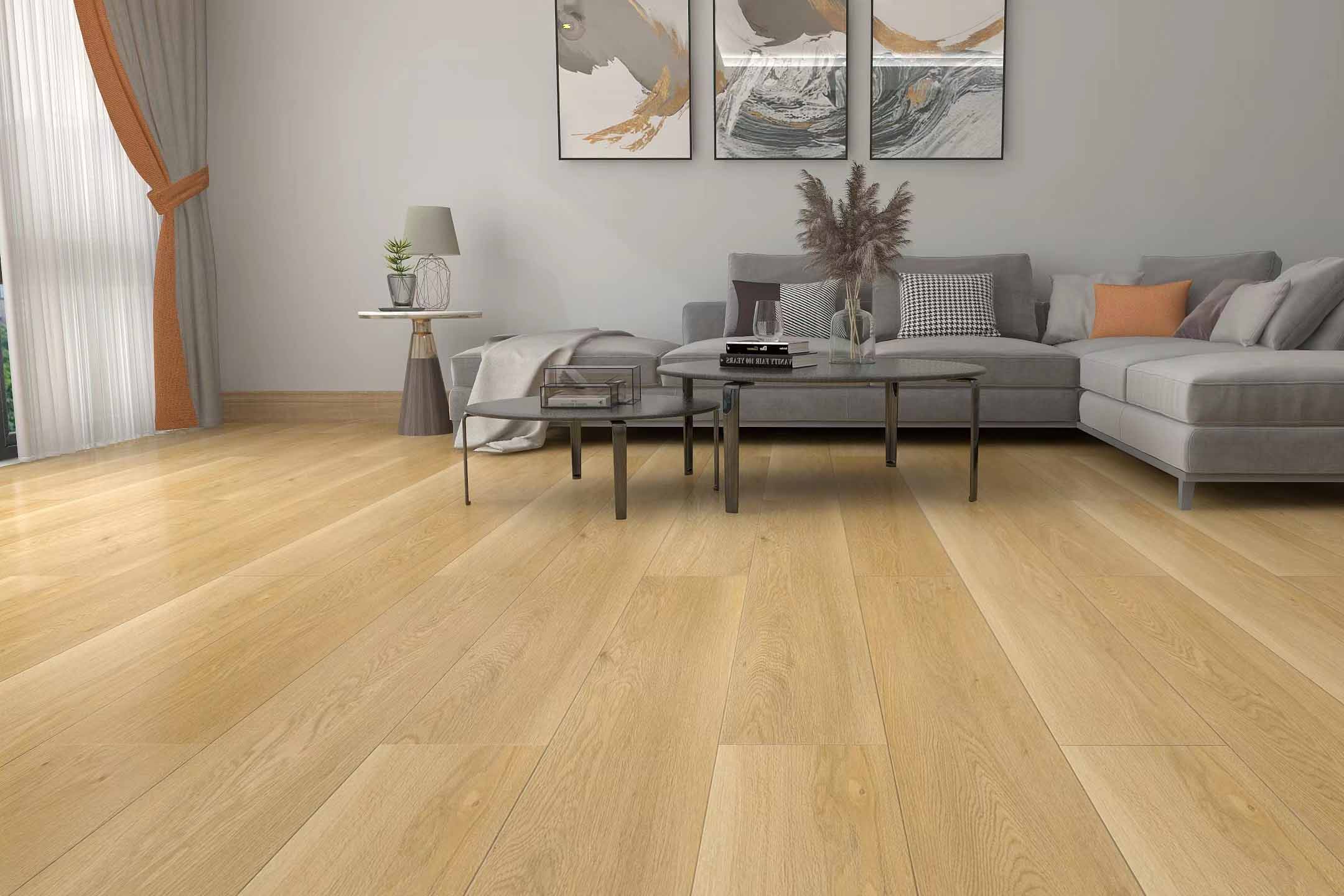
Matching hardwood floors to your stairs comes down to species, stain, and sheen. Here's how Toronto homeowners get a seamless, high-end look from the floor to the staircase.
A Toronto homeowner's guide to a seamless floor-to-staircase look
You've chosen the perfect hardwood for your main floor — and then you glance at the staircase and wonder how to make the two feel like one continuous space. Getting your floors and stairs to work together is one of the small details that separates a builder-basic result from a genuinely designed home. The good news: matching hardwood floors to your stairs is very achievable once you understand the three things that actually need to line up.
Why Matching Floors and Stairs Matters
In most Toronto homes, the staircase sits right in the sightline of the front entry, the living room, or an open-concept main floor. It's rarely tucked away. That means any mismatch between your new floor and your stairs is on display the moment someone walks in.
A well-matched staircase makes a home feel larger and more cohesive, because the eye travels uninterrupted from the floor up the steps. It also protects your investment: buyers and appraisers notice when a renovation stops halfway. Coordinated floors and stairs read as a complete, high-quality upgrade rather than a partial fix.
Should Your Stairs Match Your Floor Exactly?
Not necessarily — and this surprises a lot of homeowners. Matching is one route, but intentional contrast can look just as polished. What you want to avoid is an accidental mismatch, where two "brown" tones clash because one leans warm and the other cool.
Here are the looks that work in practice:
- Full match: Treads, and often the flooring, share the same species and stain for a seamless flow. This is the most classic, resale-friendly choice.
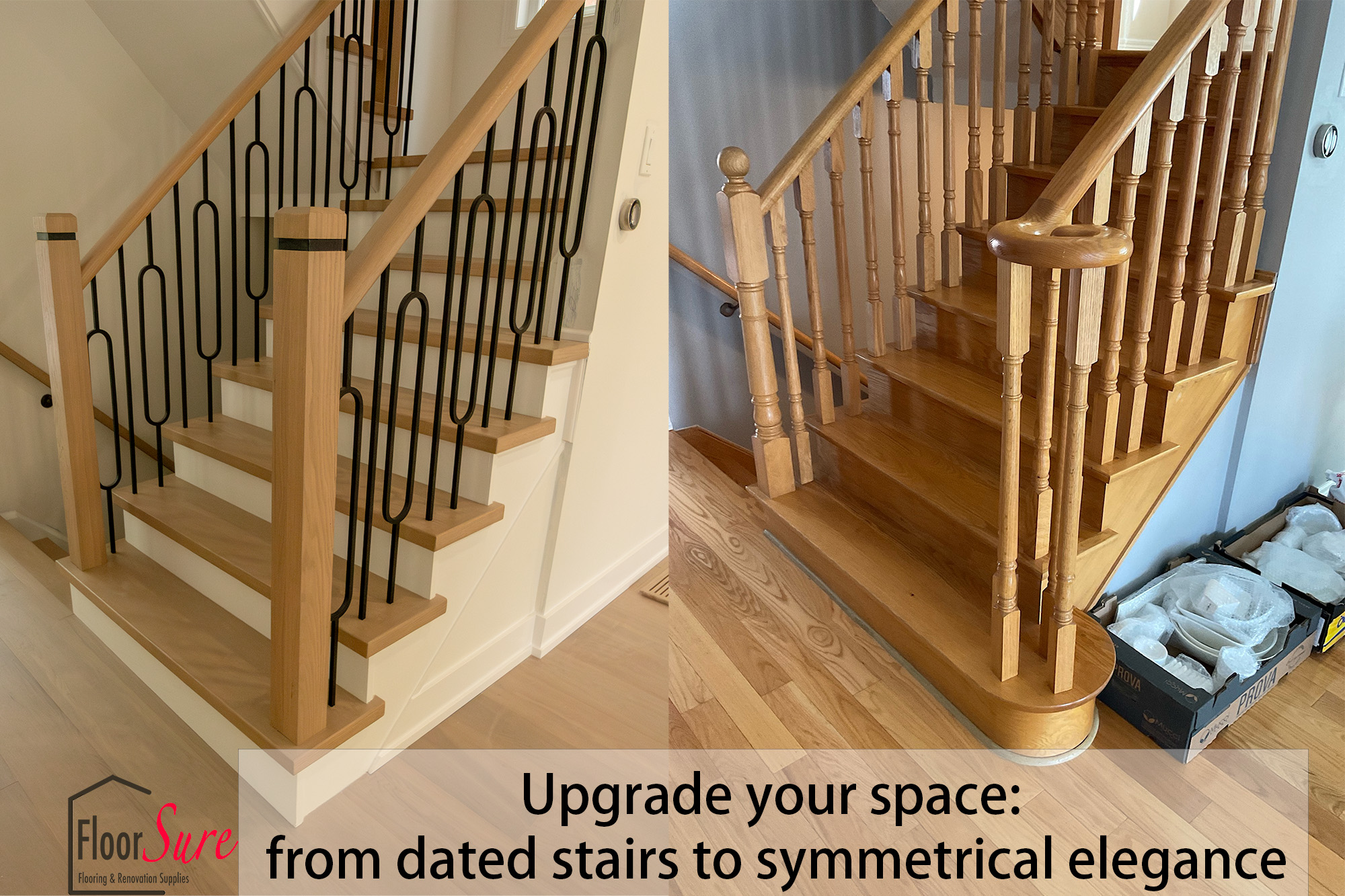
- Two-tone stairs: Matching treads with painted white risers. Clean, bright, and very popular in modern Toronto homes.
- Deliberate contrast: A floor in one tone with darker (or lighter) stair treads to create a feature staircase. This works best when the contrast is obvious and confident, not a near-miss.
- Accent railings: Keeping treads matched to the floor while adding a contrasting handrail, or on-trend black iron pickets, for character.
If you're still deciding on the wood itself, our guide to choosing the right hardwood species is a good place to start.
The Three Things That Actually Need to Align
Whether you match or contrast, three properties determine whether the result looks intentional: species, colour, and sheen.
- Species: Solid oak stair treads next to a white oak floor will accept stain similarly and age in a comparable way. Mixing very different species — say, hickory floors with maple treads — makes an exact colour match much harder because each wood takes stain differently.
- Stain and colour tone: This is where most mismatches happen. Two stains can both read as "medium brown" yet clash because of undertone. Always compare warm-vs-cool undertones side by side before committing.
- Sheen (gloss level): A satin floor beside high-gloss treads will look mismatched even if the colour is identical, because light reflects differently off each surface. Keep the sheen consistent — most Toronto homes look best in matte to satin.
Getting a Seamless Stain Match
If your treads are being site-finished (stained and sealed in your home), you have the best shot at a true match. A few professional habits make the difference:
Bring a sample of your finished flooring to compare against unfinished tread samples, and test stains directly against the floor in natural daylight — showroom lighting will lie to you. Crucially, apply the same topcoat to your stain sample before judging it, because the sealer shifts the tone. If no single stock stain is a perfect hit, a skilled finisher can blend a custom colour and record the proportions so it's repeatable.
Factory-prefinished treads are convenient, but colour-matching them to a prefinished floor from a different manufacturer is harder — the closest match often comes from buying treads and flooring from the same product line. This is exactly the kind of detail we sort out during a professional hardwood flooring installation, so the floor and stairs are planned as one project rather than two.
Transitions, Nosing, and Handrails: The Details That Sell the Look
Colour is only half the job. The finishing details are what make a staircase feel custom:
- Stair nosing: The front lip of each tread should match the floor and treads in both colour and profile. A square-nose modern profile reads very differently from a rounded traditional bullnose.
- Transitions at the top and bottom: Where the floor meets the first and last step, clean, flush transitions keep the flow unbroken.
- Risers: Matching wood risers create a warm, all-wood look; white risers brighten the staircase and pair beautifully with black iron pickets.
- Handrails and pickets: These are your chance to add personality — a slim oak handrail with modern black wrought-iron pickets is one of the most-requested looks in the GTA right now, as we cover in our modern staircase renovation guide.
A Real Toronto Example
On a recent project in Aurora, our clients were replacing worn builder carpet on the staircase and upper hallway. We installed custom square-nose solid oak treads and risers in a muted neutral tone, then extended matching engineered hardwood through the upper hallway so the landing and stairs flowed as one surface. A slim oak handrail, square newel post, and black iron pickets finished the look. Because the treads were tone-matched to the hallway floor and the sheen kept consistent, the result reads as a single seamless renovation rather than "new stairs next to a new floor."
We've taken the same approach on whole-home projects like our Seurat Place renovation, where the staircase stain was matched to newly installed engineered white oak throughout the house. If you're going the other direction — from carpet to wood — our guide to replacing the carpet on your stairs with hardwood walks through the process.
Frequently Asked Questions
Do my stairs have to be solid wood if my floor is engineered hardwood? Not at all. Many Toronto homes pair an engineered hardwood floor with solid oak stair treads. The key is matching the species, stain tone, and sheen so the two surfaces read as one. Engineered floors and solid treads coordinate very well when planned together.
Can I match new stairs to my existing hardwood floor? Usually yes, especially if the treads are site-finished. Your installer will match against a sample of your existing floor in natural light. Exact matches are hardest with older floors that have ambered over time, but a custom-blended stain gets very close.
Should stair risers match the treads or the floor? Both looks work. All-wood risers matched to the treads feel warm and traditional; white-painted risers feel brighter and more contemporary. It's a style choice, not a rule.
How long does a staircase-and-floor project take? It depends on the size of the home, whether treads are site-finished (which adds drying time for stain and topcoat), and any subfloor prep. We give you a clear timeline after a free on-site assessment.
Ready to Match Your Floors and Stairs?
A seamless floor-to-staircase look is all about planning the two together — matching species, stain, and sheen, and getting the nosing, transitions, and railings right. FloorSure is a fully insured, WSIB-covered flooring and stair specialist serving Toronto and the GTA, and every installation is backed by our 1-year workmanship warranty.
We offer a wide range of species, styles, and installation options, and the right approach varies with your home, the area involved, and the scope of the work — so we're happy to assess your space and recommend the best solution for a flawless match. Book a free on-site consultation by calling or messaging us on WhatsApp at +1 (437) 988-0524, and let's make your floors and stairs look like they were always meant to be together.
FloorSure is a fully insured, WSIB-covered flooring & stair installer serving Toronto & the GTA, with a 1-year workmanship warranty on every installation. Call or WhatsApp +1 (437) 988-0524 for a free on-site quote.